Chizarira
" The earth provides enough to satisfy everyone's need, but not anyone's greed "
Mahatma K Gandhi
After 3 days in Matusadona we were ready to move on to the next much anticipated destination, Chizarira.
At nearly 2000 km2 Chizarira is the 4 th largest park in Zimbabwe. It is also one of the most remote and least visited.
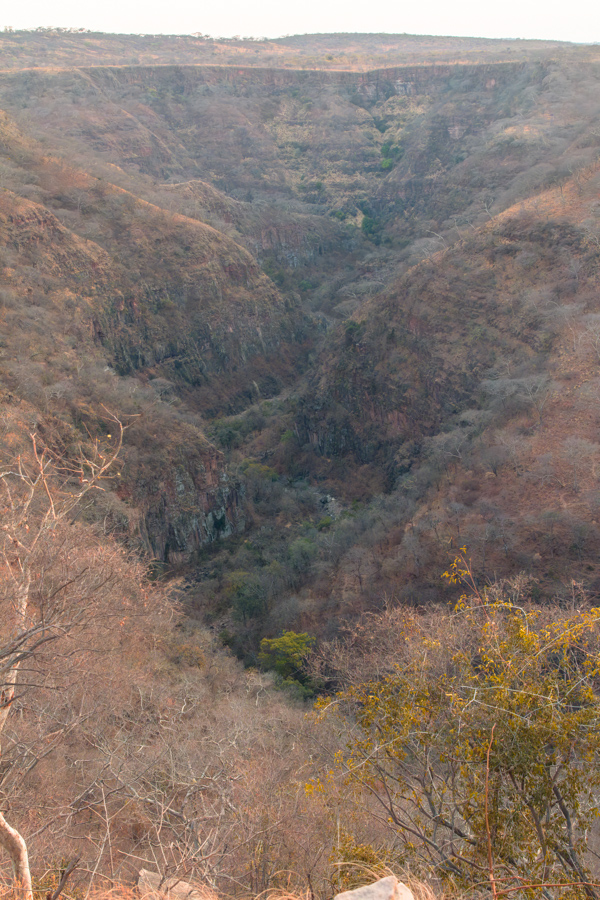
The name is derived from the Tsonga word for Great Barrier which refers to its position on the top of the Zimbabwe Escarpment, 700m above the flood plains and waters of Kariba. It is mountainous with many rivers running through it, carving magnificent valleys through the landscape. Because of this it is also known as the land of hidden gorges.
The north is mostly miombo woodland and scattered baobabs and down in the south mopane scrubland.
Defend

We were particularly interested in Chizarira because of the work of a guy called Mark Hiley who is head of field operations there for Defend and National Parks Rescue.
We met him there at HQ and his reputation is supported by his impressive aura of competence and efficiency. The HQ is clean and neat and operations seem to happen with a crisp military flair. He is also really friendly and somehow you feel you are in the presence of a great soul, but better not mess with him!
Anyway Chizarira was in big trouble in 2018, chronically neglected, it was known as the most poached park in Zimbabwe and the animal numbers were decimated. As a result the Zim government made an agreement with National Parks Rescue who, rather like African Parks, come and take on management in the most difficult and critical situations. Cofounder Christine Knudsen was the daughter of James Bond himself, Roger Moore, and the organization has a very strong ambassadorial support team from many famous names in the entertainment world.

In the last 7 years they have turned the park around, recruiting and training staff, beefing up and equipping the anti poaching team, repairing roads and modernizing and equipping the park.
As a result the elephant numbers have risen from less than 300 to nearly 2000 and the plains animals and carnivores are showing similarly healthy recovery. This in a park where the extinction of keystone species was imminent. Poaching has been reduced by over 90%.
We knew a little of this story and were keen to experience the magic.
I am told there may be a documentary in the pipeline about the turnaround in this park so look out for it.
Mucheni Gorge
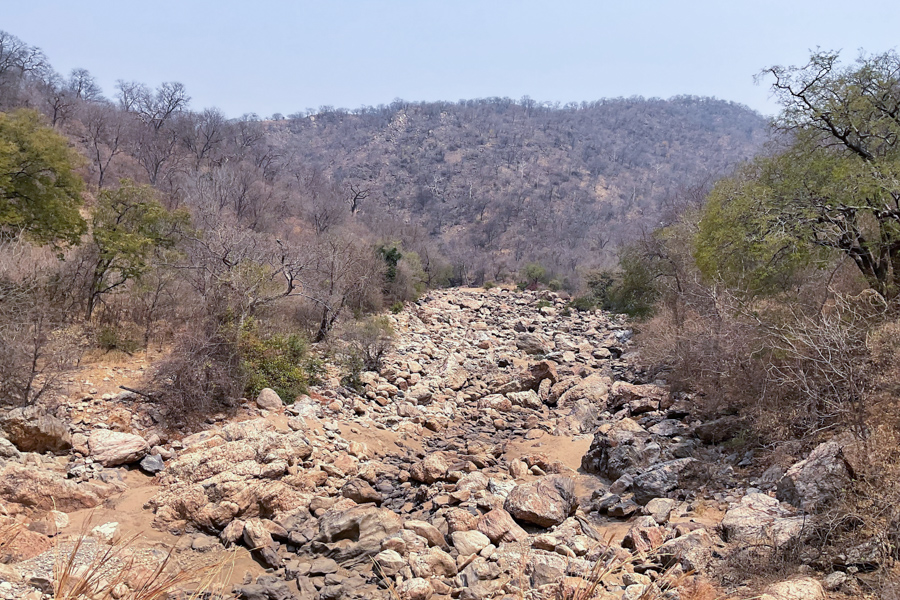
The route took us back up the terrible roads to the escarpment. The roads were variable but generally slow. The harsh living environment remained in evidence and, for the first time in Zimbabwe, the people were begging and more hostile. No agriculture was evident and the land was dry, rocky and chapped.
Rocky road up the escarpment.
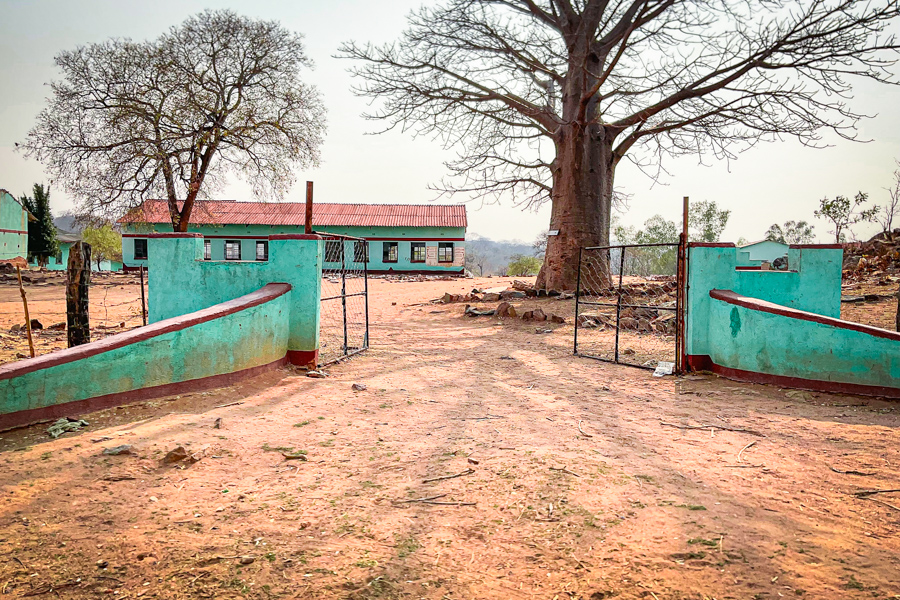
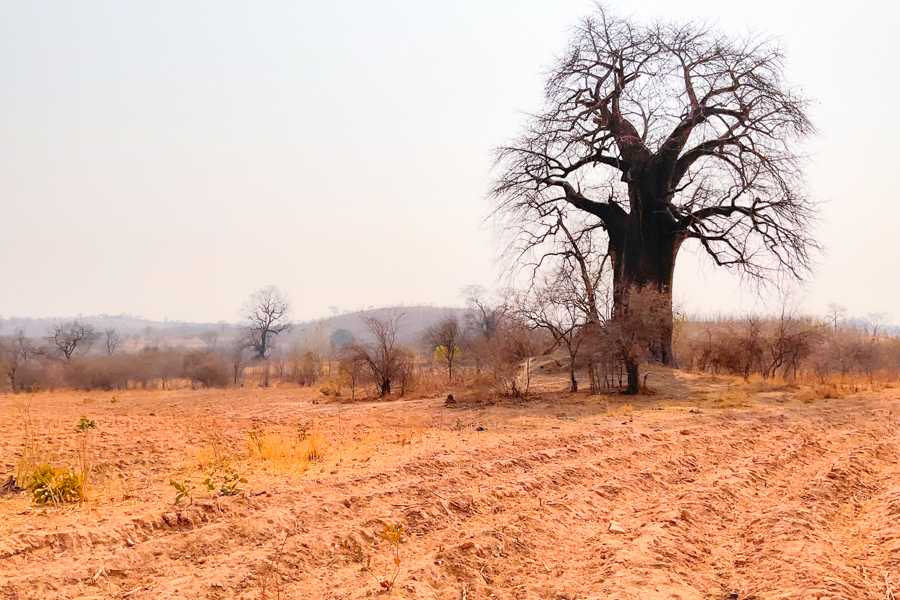
The land was barren, no crops had been sown and the homes, while neat and free from rubbish, were bare of any vegetation.
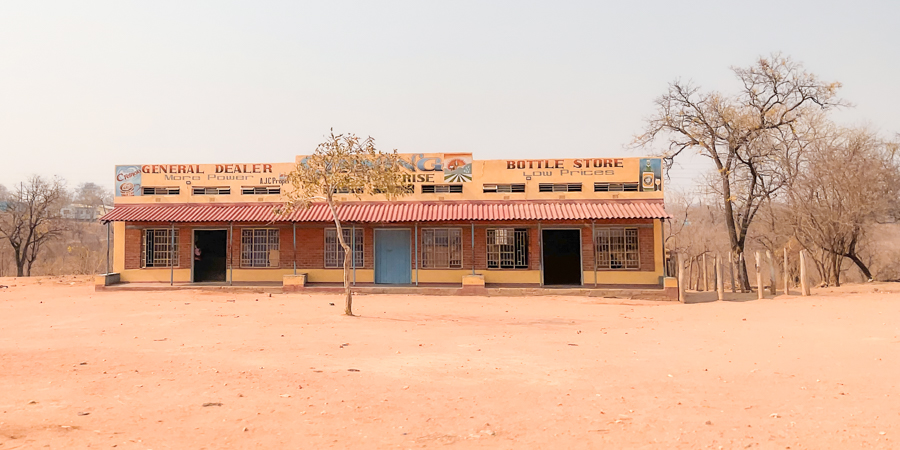

The Tsetse control point. He had no chemicals but he did have a butterfly net!

We rolled into Chizarira around 4 and made our way to the reception. On first sight the park looked to be in better condition than elsewhere with grazing and grass and thick miombo woodland, although the terrain was rocky. Despite this little animal life was apparent, not even tracks.
They were very welcoming at reception, told us there were 27 water points in the park and gave us a rough route of some of the closer ones.
We had booked into Mucheni Gorge camp and found a lovely spot overlooking an impressive gorge to the east with a shaded lapa and a small tidy long drop and shower. There was also a tap.
As an aside the mountain of Tundazi lies to the North East and is said to be the home, another one it seems, of NyamiNyami. Maybe his winter residence?
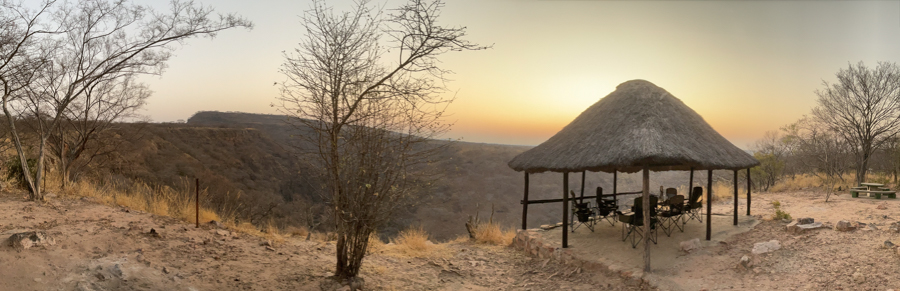

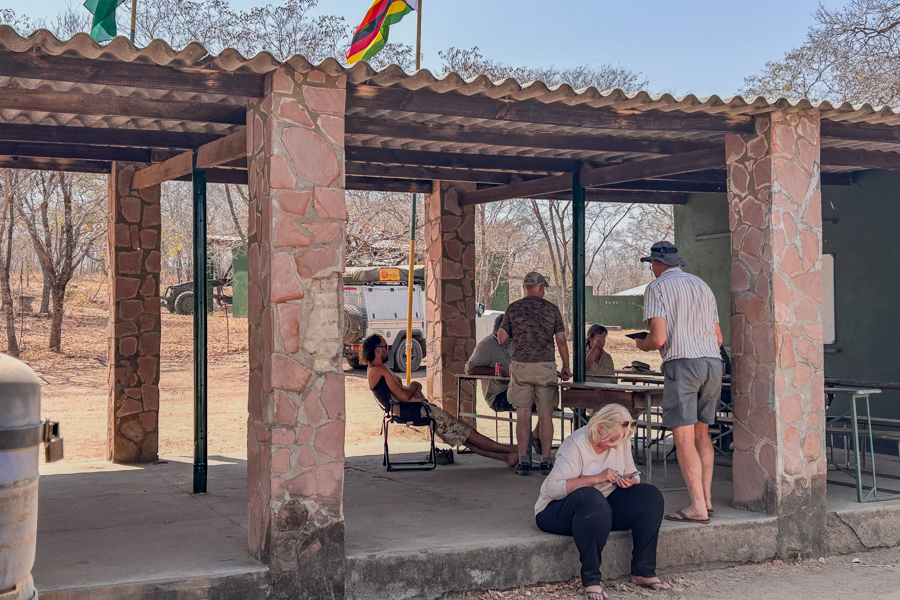
A bit disconcertingly there was another large group, 8 or so, set up right next to us on the Mucheni George site, and we had thought we had an exclusive camp.
It seemed a lot of people for such a small set of ablutions. They were a group of Americans on safari with a guide. We asked if they were in the right camp but they were quite rude and offish with us and one guy insisted on stamping around our camp.
We ignored them but then another group rocked up on the other side, also 8 people so now we had 24 people with one tiny toilet and shower.
The Parksboard rolled up later and told the Americans they were on the wrong site, their camp was 1 km further but it was too late by then as they had pitched a bunch of tents. It made them much less aggressive however and they tiptoed around a bit more. We had first dibs on the shower.
Out and About

There are scattered camps around Chizarira, Mucheni Gorge was definitely one of the best and perhaps the only one with a toilet and shower. Maybe that’s why we got all 24 campers there at once! When we wandered the park over the next 2 days we found other sites but the ablutions were derelict and full of baboon poo and no running water. None were occupied. A platform campsite at Mbola was collapsed.
Some of the camps were overlooking rivers or wetland and so theoretically good game spotting but you would need to be wild camping for sure. Still that is hardly unfamiliar for us.
Although the park has shown signs of an impressive renaissance I think the tourist facilities are still low priority, they will get there.

Leopard spore

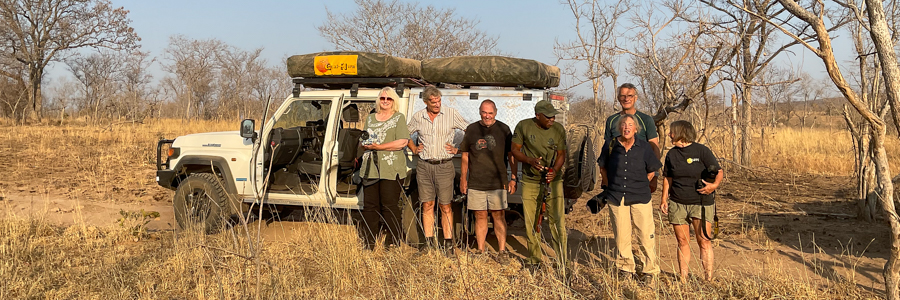
Despite the recorded improvement in game numbers we found game spotting quite difficult. The animals were skittish and nervous, running when they saw the cars so photographically challenging.
Again it was behaviour you may expect in places where poaching or hunting has been rife in the recent past so not entirely surprising. Also there are quite a lot of water points and so I guess the game is quite dispersed.
We saw waterbuck reedbuck, impala and kudu, steenbuck and small groups of elephants. The birds were beautiful with plenty of raptors.
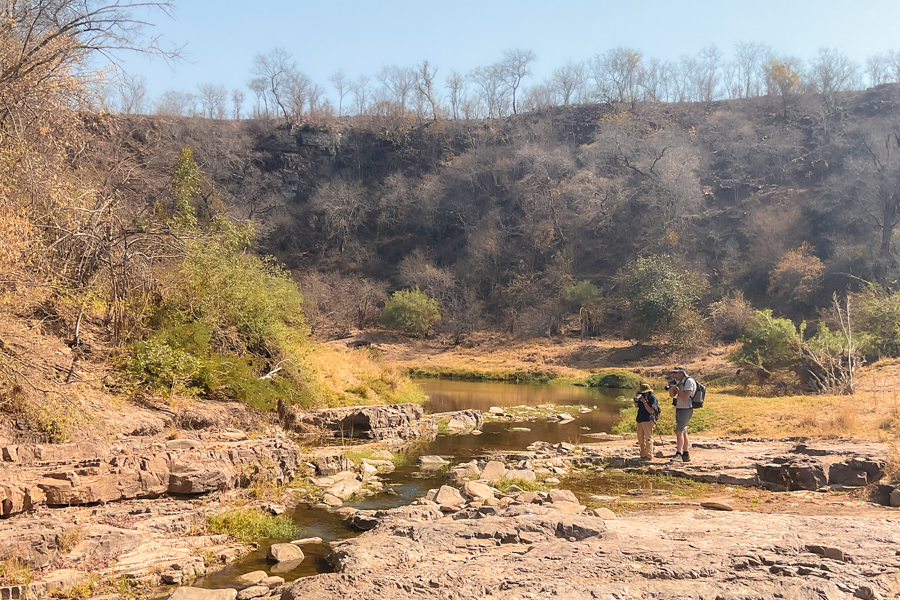
On our second morning we arranged a guided walk. Again they encourage walking in Chizarira and the guide took us from the campsite at Kaswiswi along the river. He drove to the campsite by rather a circuitous route and saw quite a lot of antelope en route. I think he was trying to show us the game first so we started walking quite late. We hopped over rocks and had beautiful dragonflies but were soon hot and sweaty in the rising heat and the animals remained hidden.
We spent the last afternoon in camp under the shade enjoying the view and watching the birds glide past in lazy spirals on the thermals.

The roads were rocky and slow so we only managed to explore in the north of the park in the time available to us. A lot of the elephants are apparently in the Busi area in the south of the park so if we had more time we may have been more successful. In these really wild places I think you need to spend more time before jumping to conclusions, you will not always be surrounded by huge herds.
I have watched a lot of travel blogs about Chizarira and there is a general dissatisfaction with the game viewing but I think it is a bit unfair. The scenery and landscape gets top marks and it is a place to watch for the future.
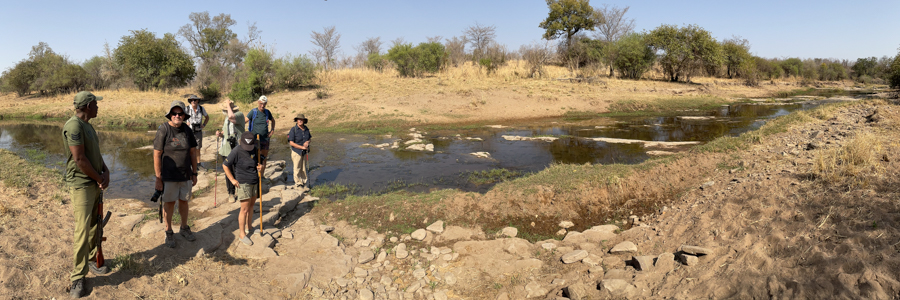

Impressed with the energy and dedication of the park staff, a little star struck by Mr Hiley, blown away by the scenery and views, we left with a distinct feeling of unfinished business. We will be back. It was time to turn west again to our next destination, Hwange, the largest park in Zimbabwe.