Flower Power
The Namaqualand flowers are an iconic and famous draw to the Cape in winter but we have never found ourselves in the right place at the right time. This time we decided we would meander through the famous fields of gold and purple en route to our annual travels in Africa
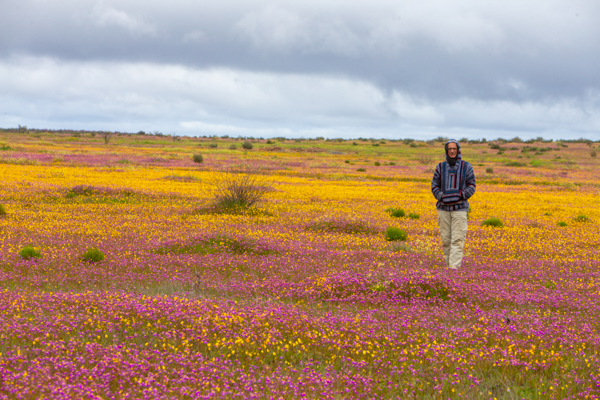
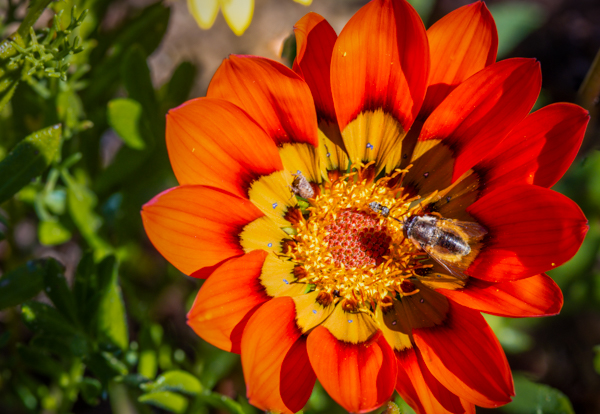
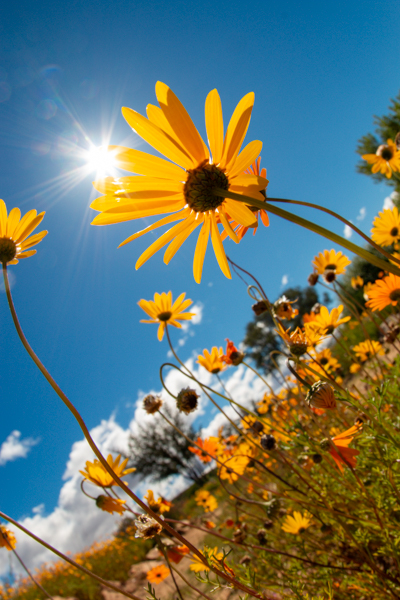
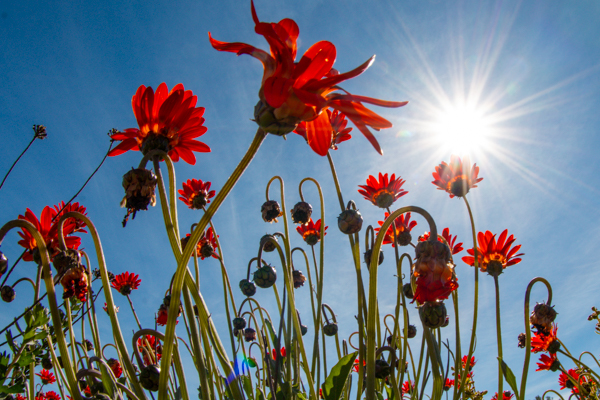
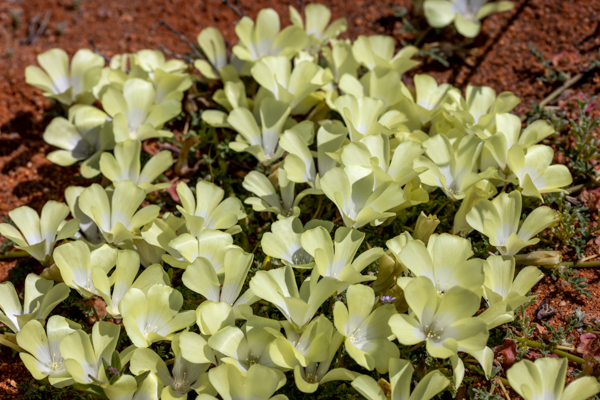
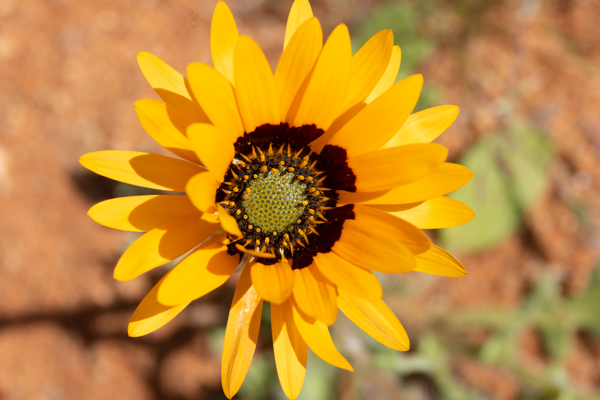
Namaqualand is normally nothing but sand and stark rocky and mountainous landscapes, punctuated by quiver trees, the home of a hardy range of succulents and fynbos. Beautiful but bleak. However, once a year, it transforms into an unrivalled colour explosion. Yellow, white and orange predominate, but you will also see blue, pink, purple and red. On a good year it is a carpet of flowers.
The flowers follow the spring rains and the timing and abundance of flowers is dependent on the rains and the sun. Usually they bloom from north to south between July and October. This year the rains brought an end to a 6 year drought. The flowers should be spectacular…..and they were.

Clanwilliam
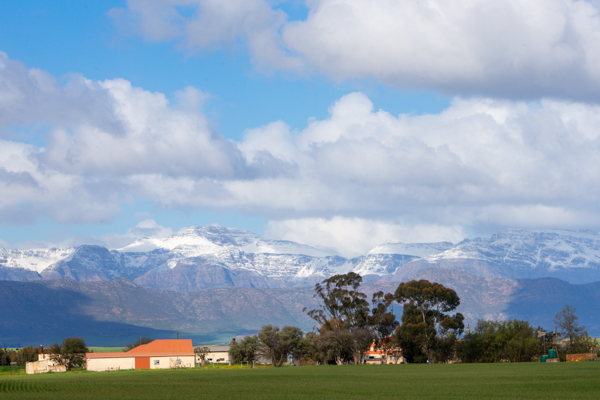
We had booked a small self catering flat in ClanWilliam to start our flower journey with the family. The drive up the Cederberg was fringed with snow capped mountains and the air like crystal
We saw flowers by the side of the road, orange, purple and yellow.
Clanwilliam has a flower festival every year in the church but this being a Covid year the festival was severely pared down and the church had closed. There was a small gathering in the central market with dancing (socially distanced of course!)
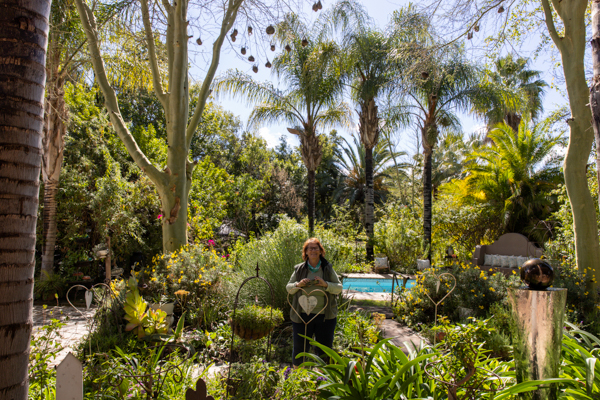
The small picturesque town boasts beautiful coffee shops and an ancient hotel. The gardens of the Yellow Aloe Guesthouse were something to behold, bursting with flowers and eclectic garden ornaments
Down by the reservoir is the botanic gardens where wild flowers carpet the hillside. We spent a happy few hours here through the afternoon, admiring the flowers, searching for insects and snoozing on the lawn surrounded by psychedelic glory.
The Bidouw Valley
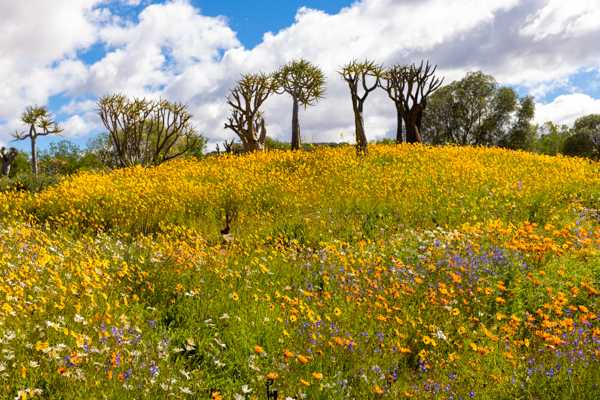
The Bidouw Valley, just outside Clan William, is a particularly good spot for flowers and it did not disappoint. As you drop into the valley it unfolds as a carpet of flowers, yellow and orange with bright flashes of white, blue and purple. It was a popular spot for flower seekers that sunny afternoon, cruising the roads, lying in the fields to immerse themselves in the colourful splendour. The road winds on to Wupperthal, the village that time forgot, nestling amidst rooibos farms. Wupperthal is famous for hand sewn veltskoen and there is a small shoe factory there. Its a sleepy little place and the only refreshments we could find were a bottle of creme soda and a bag of nik naks from the tiny tea room. Enough to sustain us for the return trip.


Rooibos Country
The Cederberg is the heart of rooibos country and the rooibos farms line the roads with dusty needle leaved bushes. Rooibos is a familiar South African icon and has become popular world wide for its flavour and health benefits.
In 1920s the growing demand for the tea led to problems of supply of wild rooibos plants and Pieter Nortier of Clanwilliam developed a cultivated varietal which has become the mainstay of the rooibos industry. Rooibos cultivation is an important part of the economy in this area.
We once met an English entrepreneur who had founded a natural tea company where all the tea was sourced from wild varietals and picked using traditional methods. In South Africa she had guys on horseback picking wild rooibos for her brand. Probably not too sustainable but lucrative for her at least.
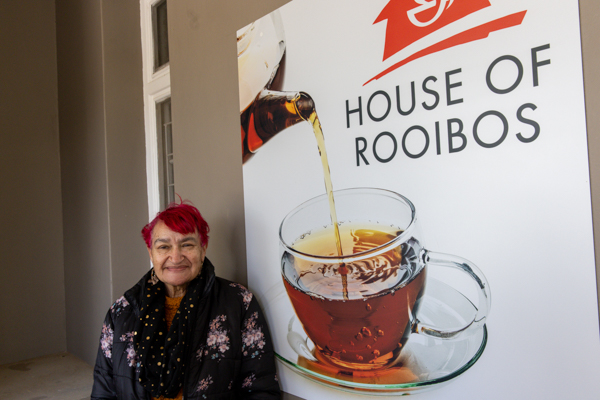
Clanwilliam has a House of Rooibos shop and tasting table to taste different rooibos blends, hot and iced teas.
I won't lie, I am not a fan of rooibos having been brought up on good old English breakfast tea, but we were game for a tasting. The fruit rooibos iced teas were delicious and free from caffeine and other bad things, pretty refreshing. The rooibos extract skin range is also pretty good.
While we were there a bus load of elderly ladies on a day out rocked up with crazy hats and coloured hair and smiles a mile wide.
Niewoudville
For us on this trip Niewoudville was the most spectacular spot for the flowers. I think it all depends on the timing of your trip. The northern flowers in the Namaqualand park and Richterveld open first and then there is a progression south until the flowers of the WestCoast park bloom last of all. So the flowers will be at their peak somewhere in your trip but may be in different stages of blooming and fading in different places. I guess we hit Niewoudville at exactly the right time for this season.
Niewoudville is a sleepy little town most of the year but in flower season, for 6 weeks, it becomes a hub and the destination of thousands of flower seekers. As we negotiated the backroads camper trucks and rooftop tents zoomed around everywhere. Not surprisingly this does put some strain on the resources which are generally quite scarce. We had no booking or plans but as we approached the village and saw the intensity of the flowers in every field and in every neglected stony garden, we knew we had to stay here. We enquired, increasingly desperately at a variety of camps but, with just a handful of sites, they were all firmly booked. One called Olive Farm was particularly beautiful as the flowers carpeted the camp site itself. Alas we were turned away.
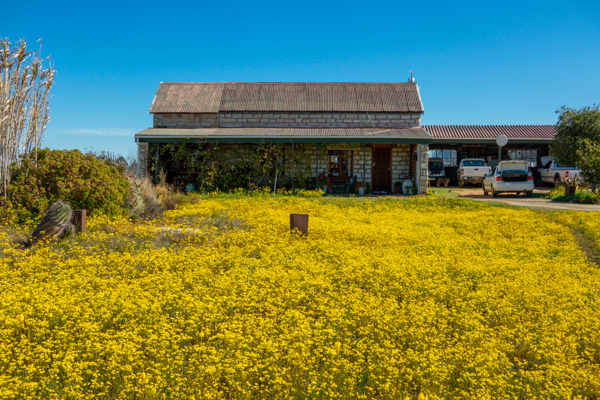
Olive Camp
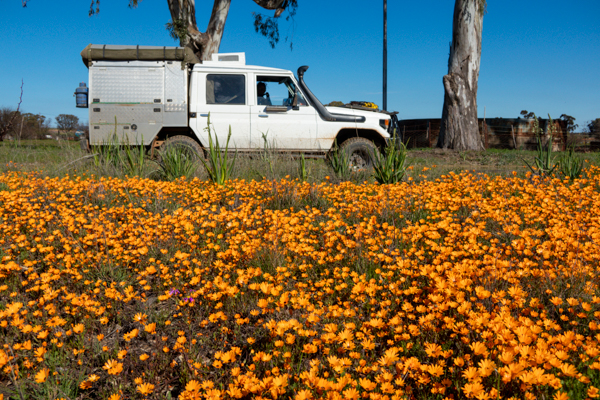
Random bit of waste ground in Niewoudville

Sacred ibis doing their bit for pollination
The sun was setting with a blaze of colour and there was a nip in the air. We were directed to the run down municipal camp and finally found a spot. Indeed it was virtually empty and pretty run down but we were grateful, never mind the cost. Officially it was the most expensive camp we had in South Africa for the whole trip. Still there was a sparkling (and icy) pool where the local kids were tough enough to play and swim, and a resident peacock! Bonus.


We were stoked to be ready for early morning sunrise shots in this village of flowers but the following day the Cape had a sense of humour and it dawned cold, foggy, cloudy and rainy. Oh dear now the flowers would not even get out of bed. Still we decided to go and see the sights and it kept most of the other flower hunters in their beds and off the road which was a bonus.
The overcast weather gave us another dimension to the beauty, dusty and muted, subtle but no less spectacular, supported by rolling cloud and lazy windmills.
Just outside Nieuwoudville is a small farm called Maatjiesfontein and in flower season the farmer opens the whole farm with a driving route through the flowers, about 15 km. He has a little farmhouse kitchen at the entrance and open cauldron cooking fires outside where he whips up buckets of lamb breedie and chicken pot pie which can be enjoyed inside the low ceiling farmhouse
After a few hours in the biting cold wind it was very welcome. You can also camp on his farm but windswept with rather basic amenities. Had we known however…..
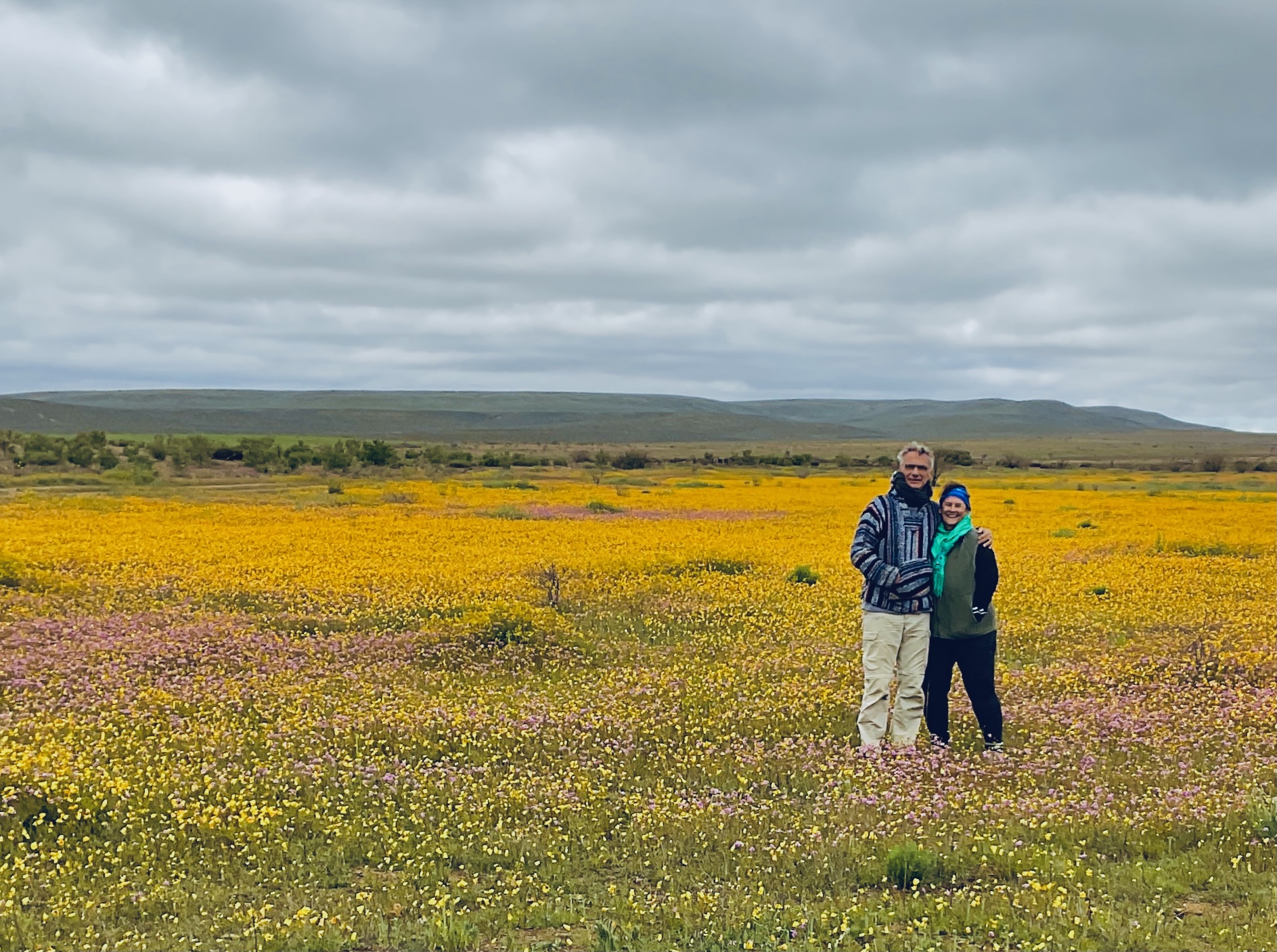
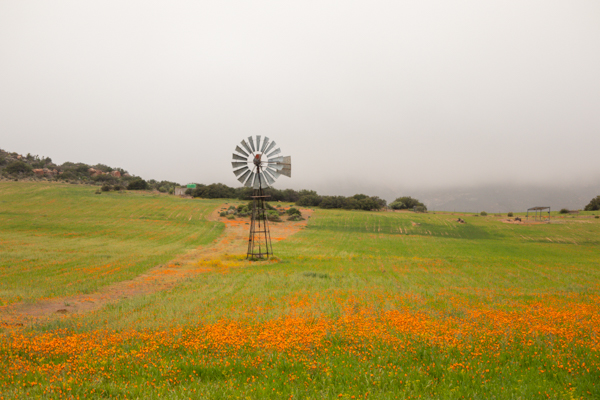
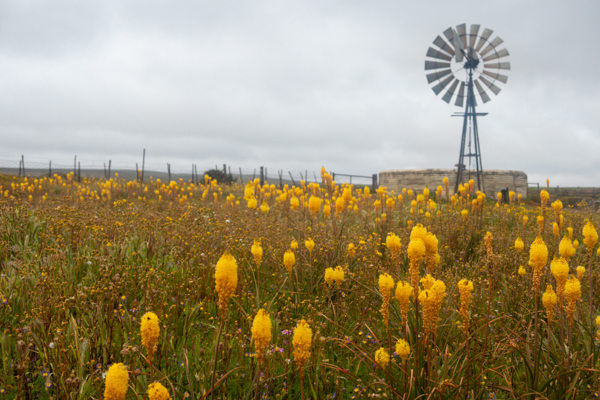


Loeriesfontein
Alas we felt it was too cold to hang around in Niewoudville longer. On local advice, we struck out North to Loeriesfontein via the waterfalls and quiver tree forest.
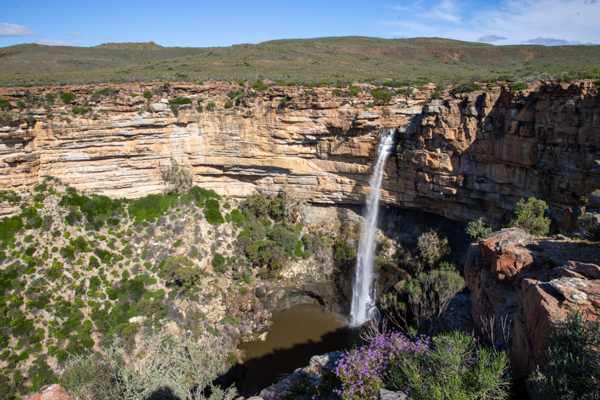
7 km outside Niewoudville there is the Niewoudtville waterfall on the Doorn river.
The 90 m waterfall is an impressive sight as it thunders down the gorge into a deep pool. It is seasonal so go in winter and spring as it may be dry in summer and autumn.
20 Km further along the road is a spectacular quiver tree forest. Entirely unexpected but fantastic to see. We thought quiver trees were the purview of Namibia but this is in fact the largest quiver tree forest in the world and the southernmost collection of quiver trees in Africa.
It is situated on Gannabos farm and night photography is limited unless you stay at the guest lodge. We stopped off in the late afternoon but we will be back for more.

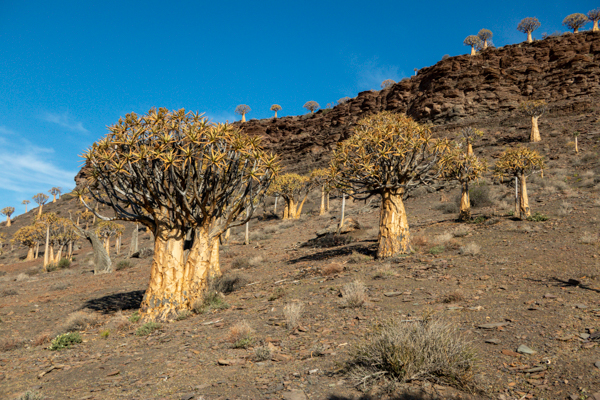
Quiver trees as far as the eye can see in every direction
As luck would have it we found our next campsite just outside Loeriesfontein on a smallholding where Eric, a refugee from the big smoke (Johannesburg), has built a small eco friendly site on the slopes of a dolomite koppie far from anywhere. He has crafted windbreaks and outside showers and toilets with a small reservoir and windmill, solar power and superb views. An extra bonus, he also has quiver trees! Maybe not a forest but one or two is all we need.
We set up for supper and as the sun went down took our cameras and tripods for some star trails with the quiver trees. No moon and perfect conditions. Some guys from the camp next door had the same idea so we hopped from rock to rock together until the cold literally paralysed us. I think I have never been so cold. The Northern Cape is not for sissies. The warming up process took over an hour with thermals, blankets, duvet and hot water bottle. But it was worth it!
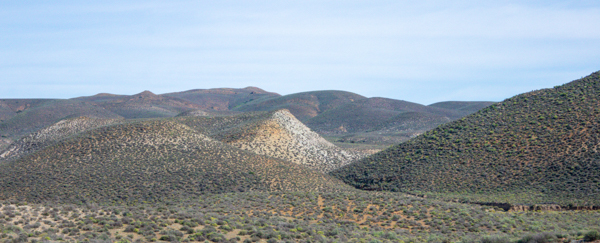
View from the camp

Sunset over the resevoir
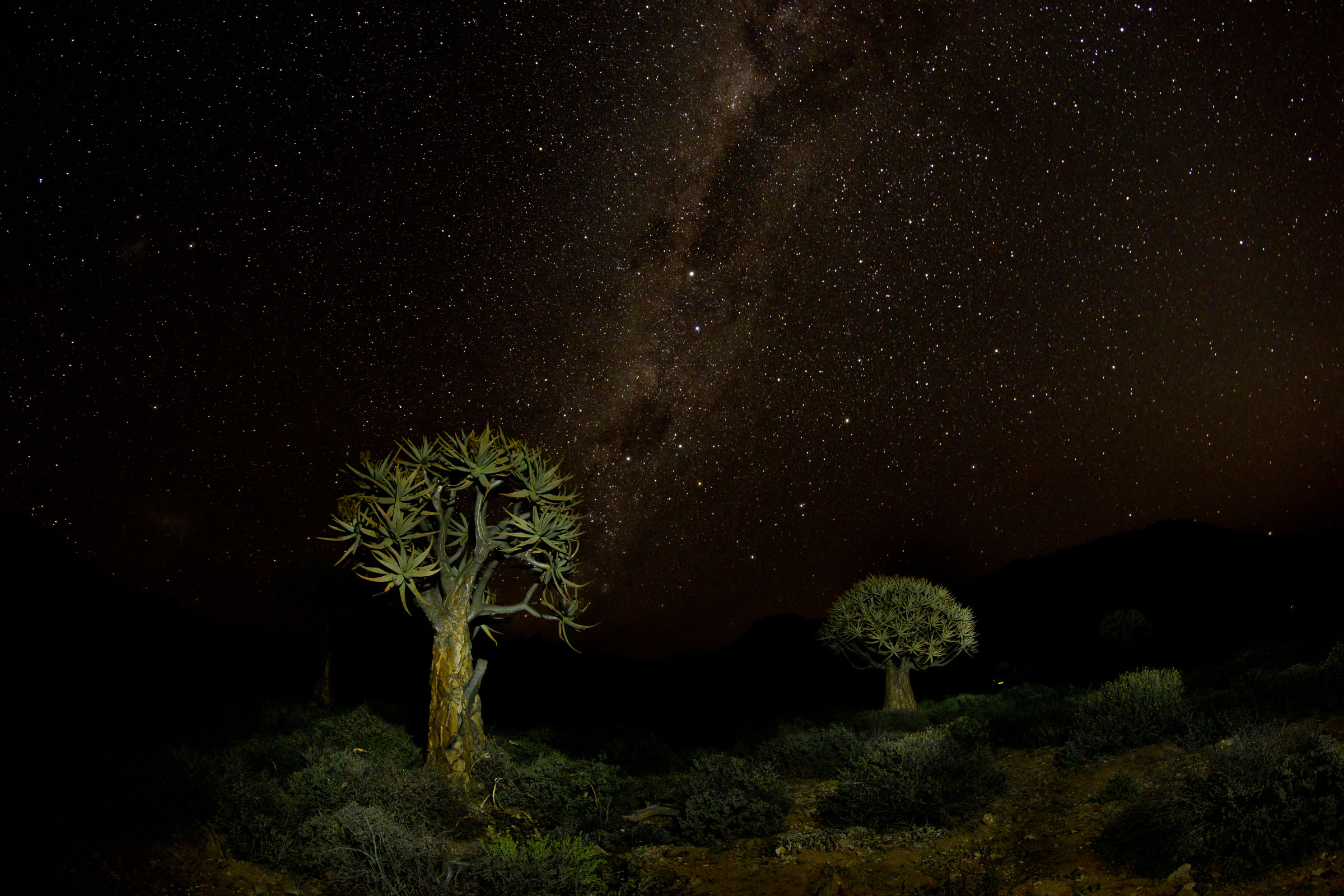
Quiver trees and the milky way
Hondeklip Baai
From Loeriesfontein we decided to slip off to the coast where the Namaqualand Park meets the sea, a little spot called Hondeklip Baai
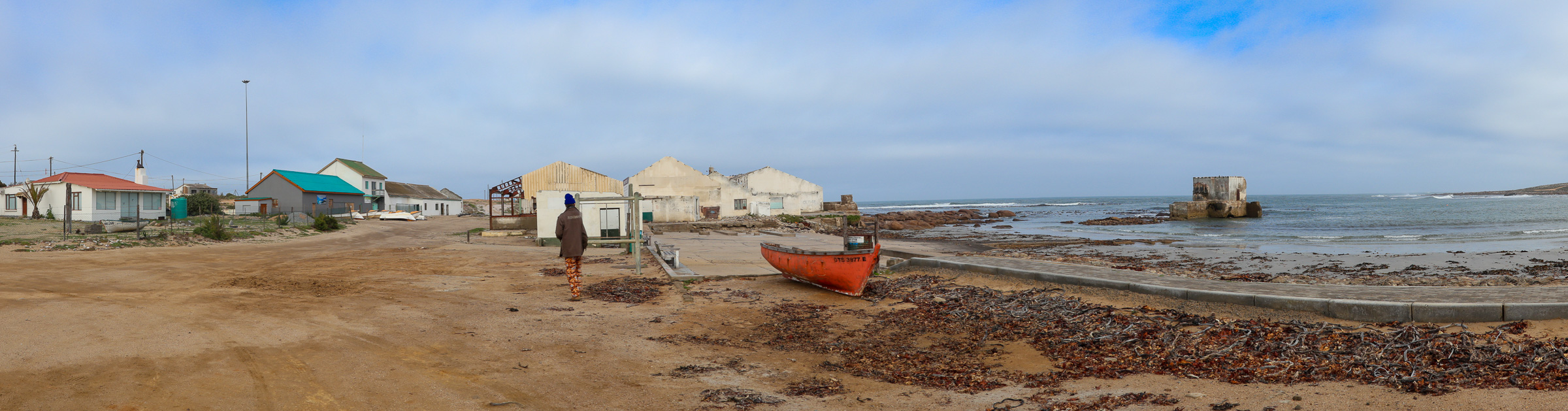


A selection of panos from the harbour
Hondeklip Baai is a coastal village and originally used as a harbour to export copper ore. Now it is advertised as a regional holiday destination and serves the coastal diamond mining and fishing communities.
I am not sure about the holiday destination, it seems a bit bleak and windswept but there was a cute and eclectic cafe called called Die Rooi Spinnekop where you could thaw out in comfort.
We found great grunge photography in the abandoned warehouses on the harbour point. The local fishermen were very willing to model for us for a fee.
Just round the corner the shipwreck of the Aristea decorates the beach as a twisted rusted warning. She was initially a fishing trawler but was called into action in WW2 as a mine sweeper Apparently the captain was too tipsy to navigate the stormy waters and ran the ship aground in 1945. We certainly saw the seas looking rough and threatening the day we were there.
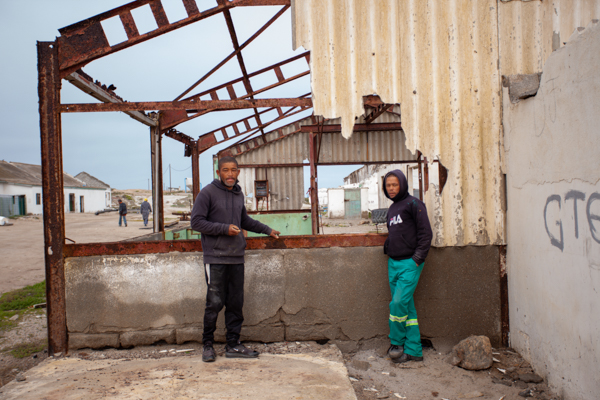
Say cheese!
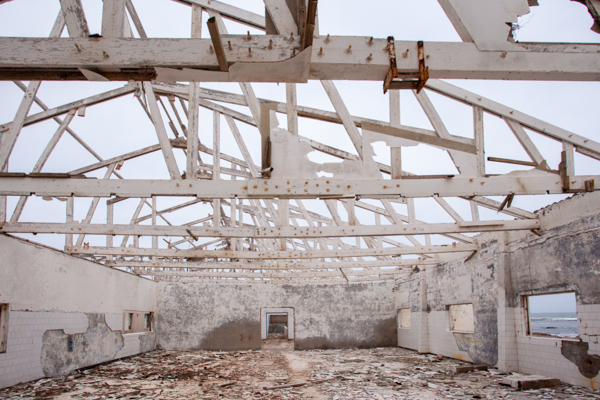

The ruins of a once bustling harbour
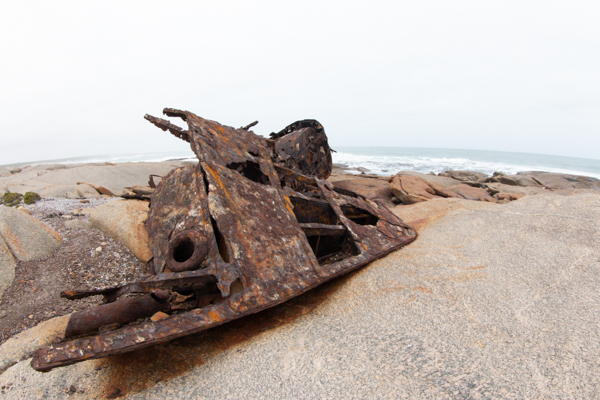
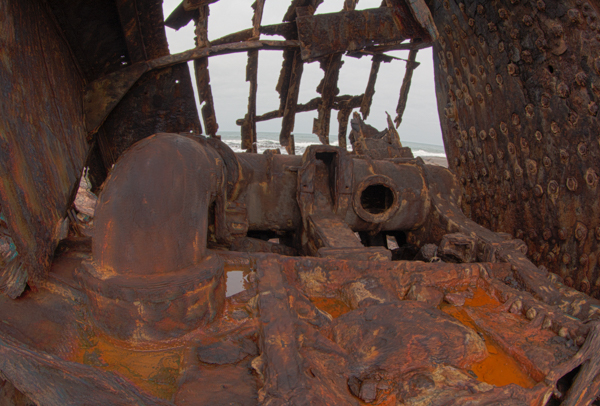
The illfated Aristea
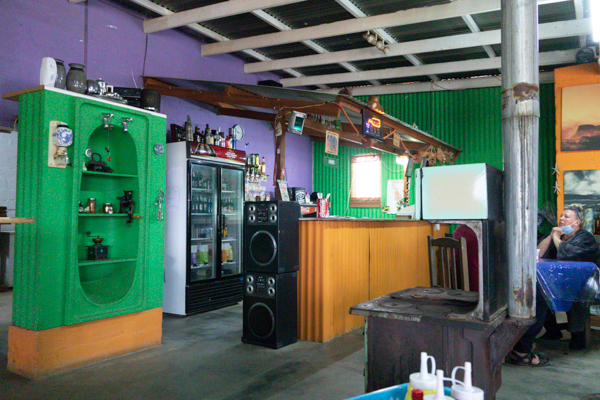
Die Rooi Spinnekop, interesting bath feature!
Namaqua Park
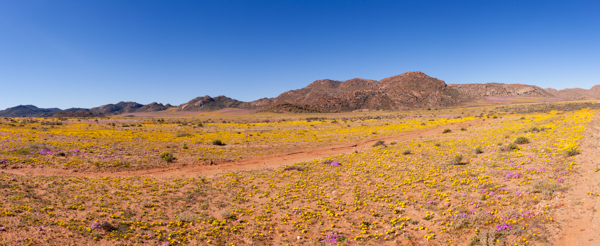
We drove through the Namaqua Park, great rocky vistas, Dassies, Klipspringer and Gemsbok. The flowers were still in evidence but in the huge vista they blended into the red sand. They were also beginning to fade compared to the collections we had travelled through.
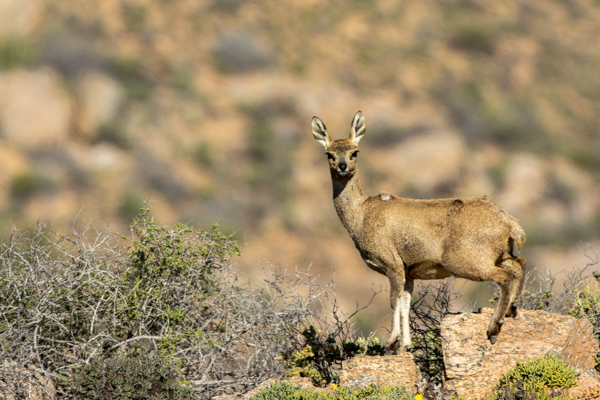

Namaqua park is one of the newest of our national parks, officially gazetted in 1999. It is a semidesert and a biodiversity hotspot with the greatest biodiversity and the highest concentration of succulent plants in any of the worlds arid regions, more than 5000 plant species and a third of all succulent species found here.
The speckled padloper, the worlds smallest tortoise is found here. We searched high and low to no avail. As they are only about 5 cm long I guess it is no surprise.
We traversed the park but ran out of time and had to leave through the south east gate to avoid being locked in. Accommodation is scarce and fully booked in flower season so we had to head out to find a camp

Kamieskroon
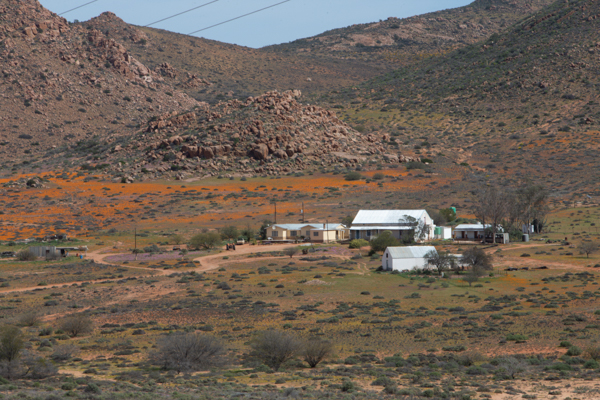
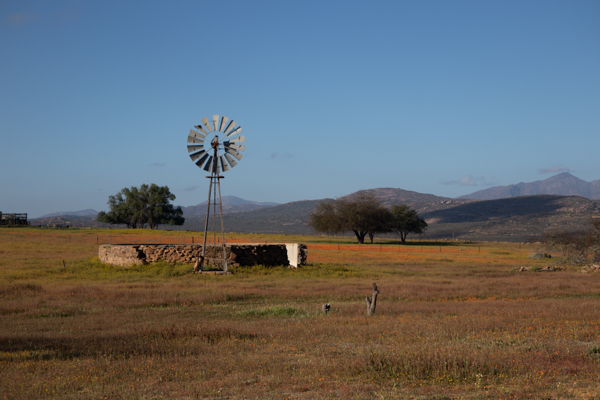
15 km outside of Kamieskroon we found Taaiboskraal farm and a rustic campsite of note. It is wild camping, 3 bush camps in a rocky gorge, each private, with a fire pit and toilet and a water tap. There is no shower, you must drive back to the farmhouse 2 km to have your daily shower but we were greeted warmly. The farmers wife told us they were 6th generation on the farm.
We were the only ones there that night, and the sense of solitude was amazing. The moon put in an appearance so no night scapes but star trails here at the right phase of the moon would be spectacular,
Taaiboskraal Farm
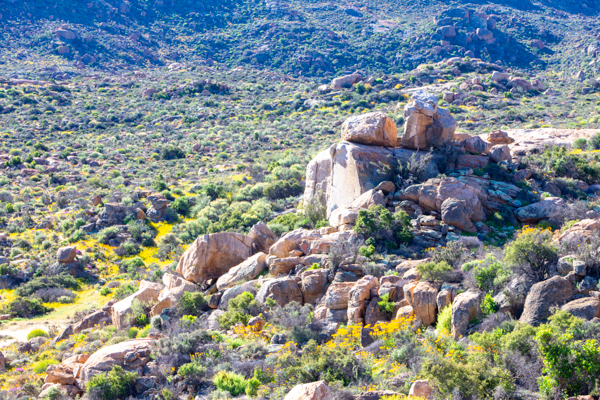
Camping in a rocky gorge
Next morning, after our shower, the farmers wife showed us a backroad to Springbok which we immediately embraced. Opening and closing 25 gates later I was not so sure, but we did see bat eared foxes on the road as a bonus.
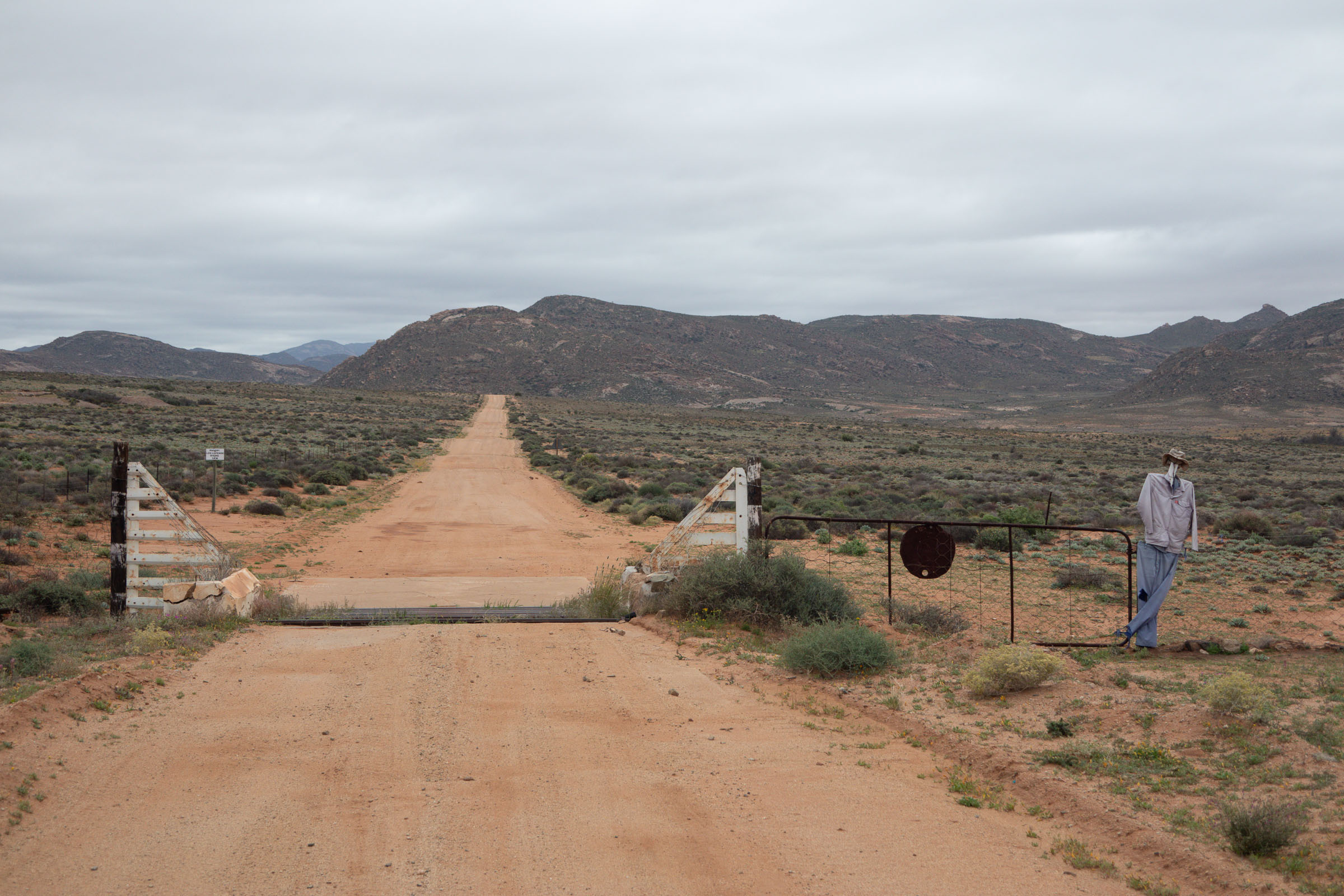
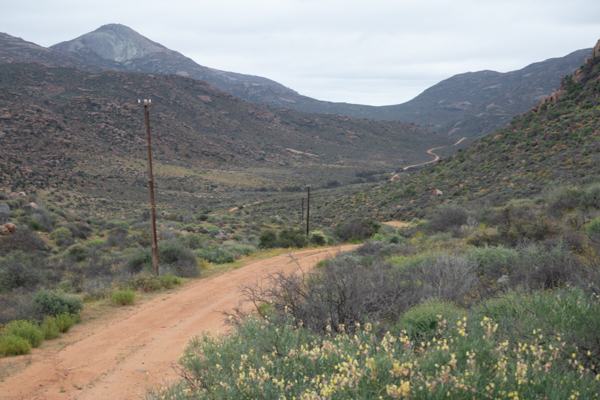
The road less travelled
Springbok
Springbok was the end of the flower road for us, our springboard into Namibia. Not that the flowers stopped there, we were still surrounded by their casual beauty. We stayed in town to stock up and to get our Covid tests and even the campsite was scattered with flowers
Especially beautiful were the vistas along the flower route through Goegap nature reserve, just outside Springbok. Fields of yellow and shocking pink cloaked the mountainsides.
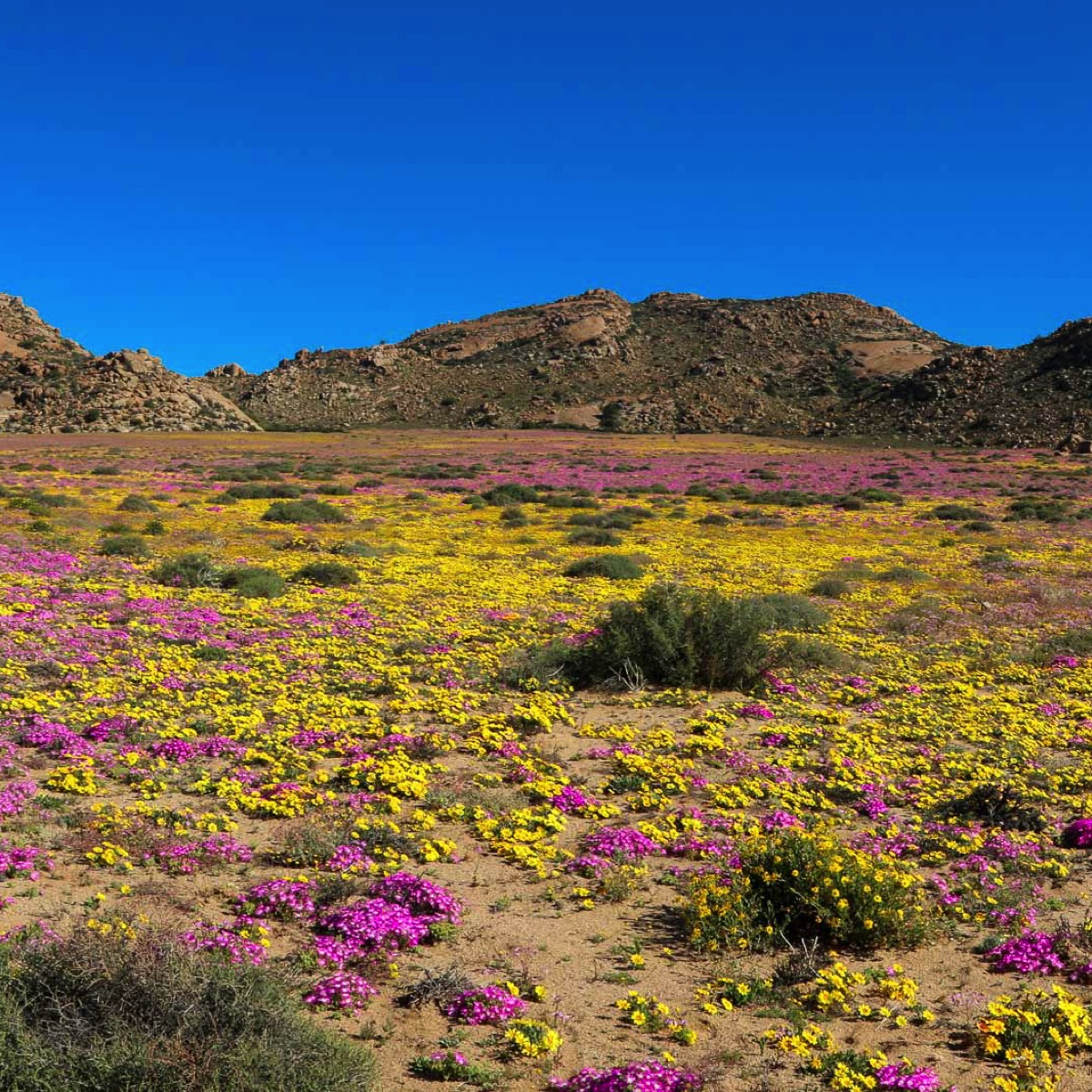
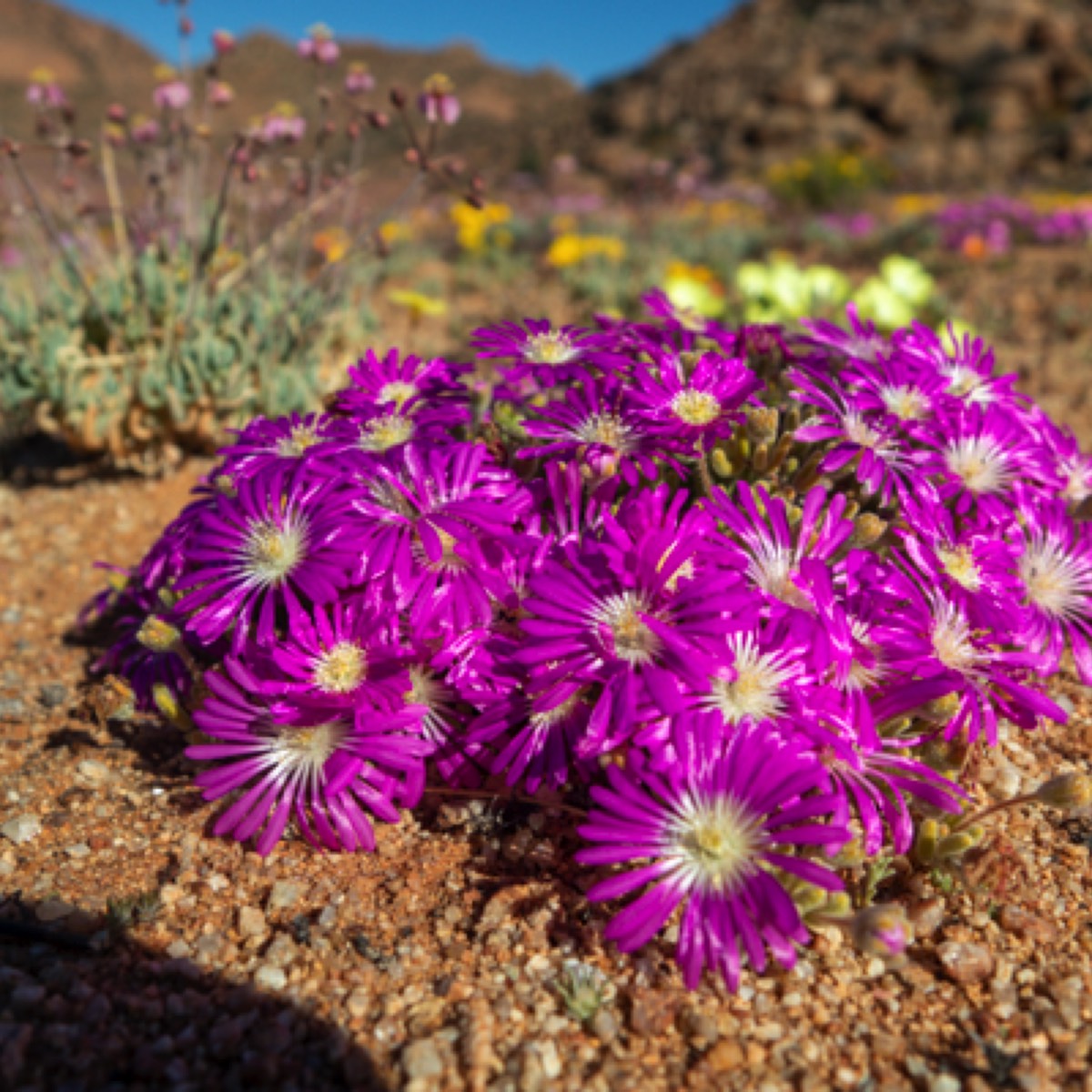
So this was the end of the flower journey for us this time. We saw amazing sights but we did not see all the flower areas by a long way. Still so much more to experience and explore. I suspect no 2 years are ever the same. We will be back.